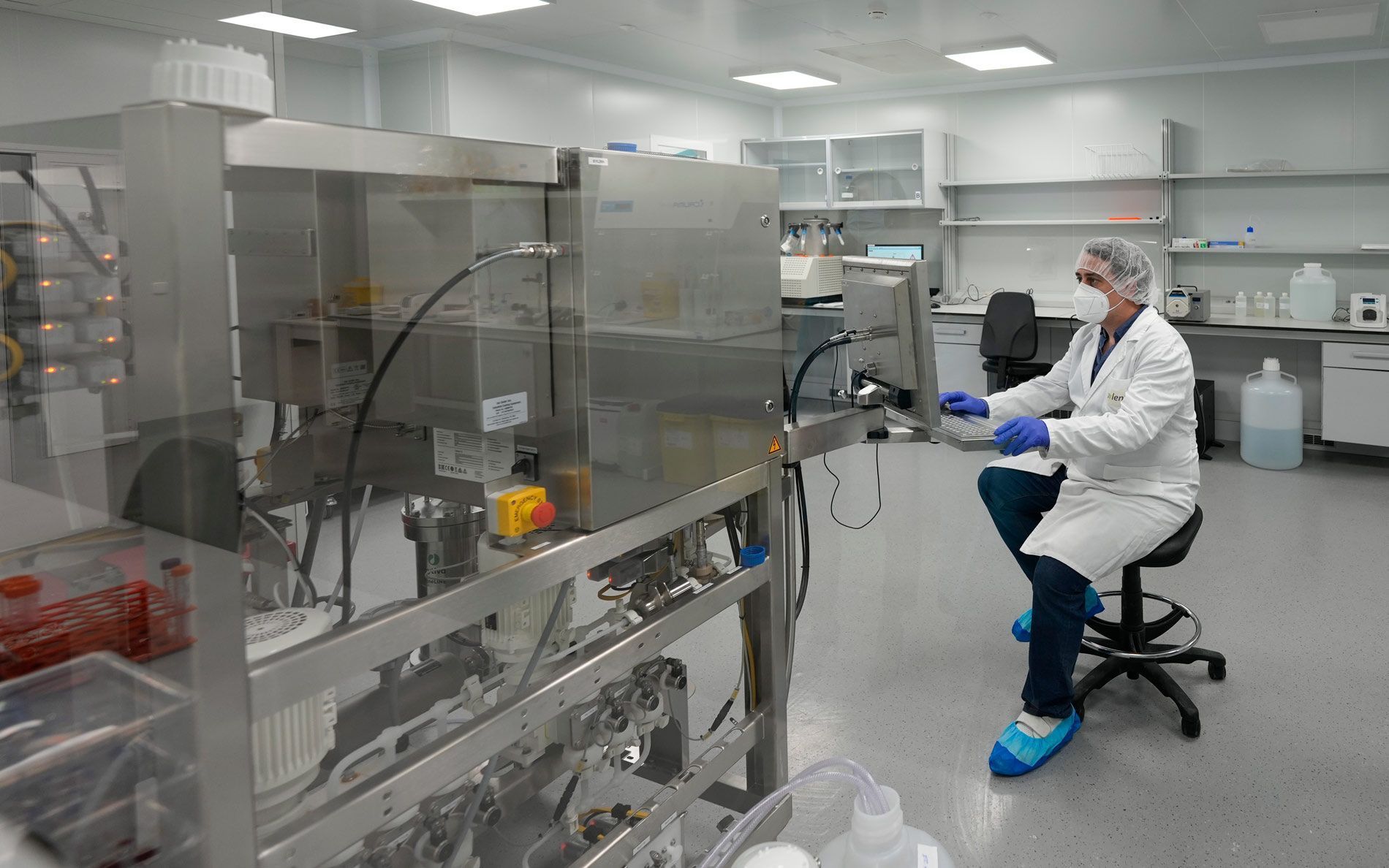
Current oligonucleotide synthesis processes present significant challenges in terms of sustainability. Conventional chemical synthesis, which uses phosphoramidite methods, generates high volumes of chemical waste, such as solvents and hazardous reagents, which require specialized management. In addition, traditional methods consume large amounts of energy. This model is not compatible with a continuous growth in demand without a severe environmental impact, so it is essential to develop cleaner and more efficient processes.
On the scientific side, a promising solution lies in the optimization of synthesis processes, including the design of reactions that maximize yield and minimize by-products. For example, the use of less toxic reagents and green solvents could significantly reduce the environmental impact. In parallel, enzymatic approaches for oligonucleotide synthesis are being explored, which could offer more sustainable alternatives to relying on specific biocatalytic systems. These techniques, although still in the developmental stages, have the potential to transform the industry by being inherently less environmentally aggressive. Another key aspect is the integration of circular economy principles in the production of oligonucleotides.

 Español