
 Español
Cardiovascular diseases (CVD) remain the leading cause of death worldwide. Despite advances in conventional medicine, many of these conditions are still treated with “one-size-fits-all” therapies that fail to reflect the biological, genetic, and environmental diversity of each patient.
A recent analysis published by Frontiers highlights a profound transformation: the combination of “omics” technologies (genomics, proteomics, etc.), systems biology, and artificial intelligence (AI) to identify and design personalized treatments, including RNA-based therapies capable of attacking genes or proteins that were previously considered “untreatable.”
What implications does this approach have for the biotechnology sector?
- From conventional molecules to therapeutic RNA
The article highlights that RNA-based therapies offer a clear advantage: they can be designed to modulate virtually any gene, greatly expanding the spectrum of therapeutic targets compared to traditional drugs. - Manufacturing, control, and scaling: critical factors
The widespread adoption of RNA therapies depends not only on discovery, but also on the ability to manufacture, control, and scale safely and efficiently. - European technological autonomy in advanced therapies
The article emphasizes that realizing the potential of personalized medicine will require investment, robust policies, and global collaboration. In this regard, building capacity in Europe—including national/regional CDMOs—is key to reducing external dependencies and ensuring access to cutting-edge technologies. - The future is collaborative and multifactorial
Omics tools, AI, and systems biology do not operate in isolation: their impact is achieved by connecting them with clinical processes, regulations, manufacturing, and collaborative business models. The article emphasises that “bold investment, open science, and new partnerships” are necessary.
The convergence of artificial intelligence, omic technologies, and RNA-based therapies is transforming how we understand and treat cardiovascular disease and, by extension, all of modern medicine.
Thanks to the integration of genetic, molecular, and clinical data, a new era of personalized treatments is dawning, designed to respond to each patient’s unique biology. This evolution not only redefines the drug discovery process, but also drives a profound change in how advanced therapies are manufactured, regulated, and scaled.
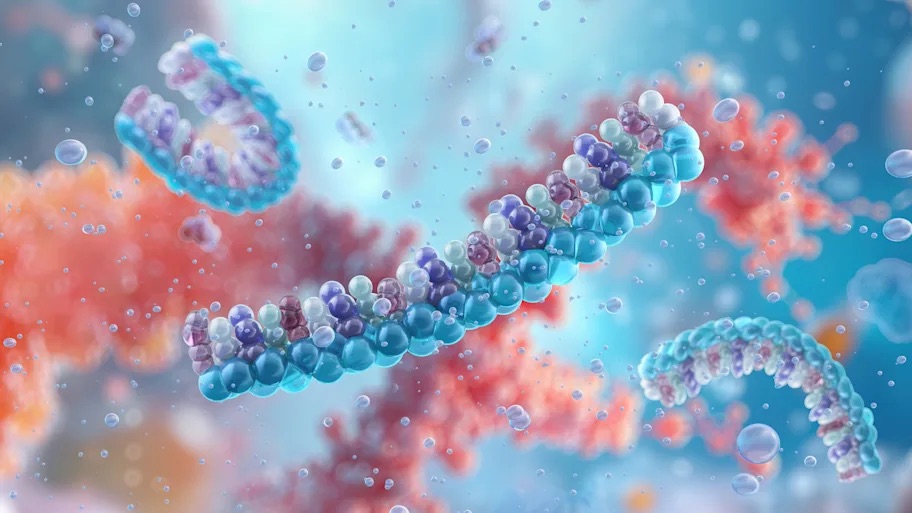
Cover image source: Frontiers

